

An iced coffee travel cup has a harder job than most drinkware. It has to survive a commute, keep cold drinks cold for hours, and — if you drink both — do the same for coffee at 140°F without turning the outside into a hand warmer.
That set of requirements rules out a surprising number of cups. Here is what actually matters when you pick one, and where most travel cups quietly fail.
What a Travel Cup Has to Survive
A commute is not a gentle environment. The cup goes into a bag, a cup holder, a bike basket, or a hand that is also holding a phone. That means three things matter more than looks:
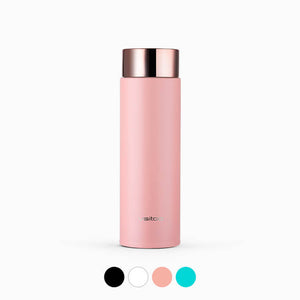
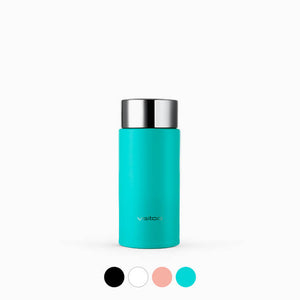
- Double-wall stainless steel construction. A stainless steel travel tumbler resists dents, does not hold onto flavours, and keeps the outside comfortable.
- A lid that seals. The single most common complaint about travel cups is leakage, and it almost always traces back to the lid rather than the body.
- A shape that fits a cup holder. Tall and narrow beats wide and elegant.
If you also brew loose leaf on the go, a travel mug tea infuser setup is worth considering, though most people find it easier to brew at home and carry the result.
Hot, Cold, and the Myth of One Perfect Cup
Insulation is symmetrical: the same vacuum wall that keeps iced coffee cold will keep tea hot. What is not symmetrical is what happens over time.
For cold drinks, insulation is genuinely excellent. Ice melts slowly, the outside stays dry instead of sweating onto your desk, and a coffee travel cup used this way will still be cold hours later. That is the easy case.
For hot drinks, insulation only delays the inevitable. Your tea or coffee drops steadily toward room temperature, and once it is below the temperature you enjoy, nothing in a passive cup will bring it back. A hot tea travel cup keeps its heat for an hour or two, not for a morning.
That gap is why heated travel mugs exist — and why the choice between them is really a question about how long your drink needs to last.
Sizes: 8 oz, 24 oz, and Everything Between
Travel cups cluster at two ends. Small cups — the 8 oz coffee travel mugs you see in espresso bars — suit a single short drink and fit any bag. At the other end, 24 oz travel mugs carry enough for a long drive or a full morning of meetings.
There is no universally right size, but there is a useful rule: match the cup to how long the drink has to survive. A small cup empties fast, so temperature is rarely a problem. A large cup holds heat longer simply because there is more liquid, but it also spends more time going cold before you finish it.
When You Want the Heat to Come From the Cup
If you drink coffee slowly and hate reheating it, a stainless steel cup with a heating element solves a problem insulation cannot.
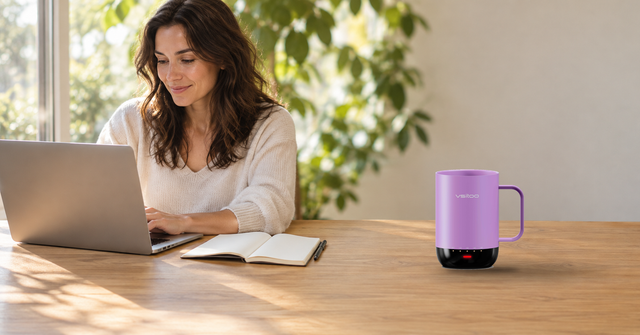
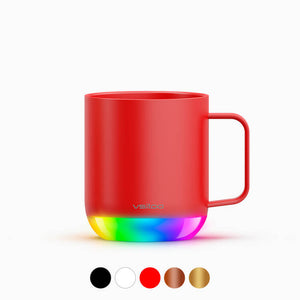
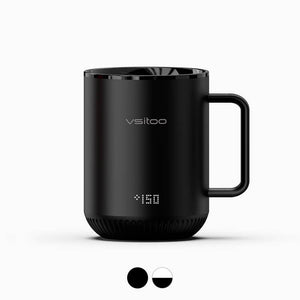
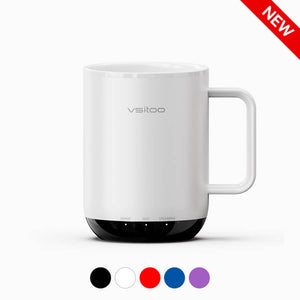
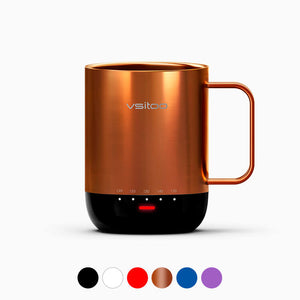
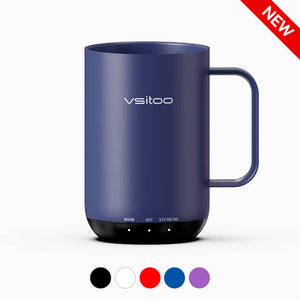
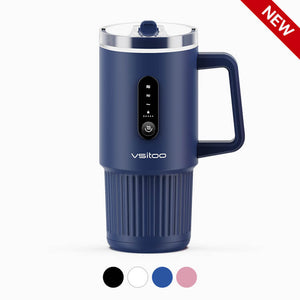
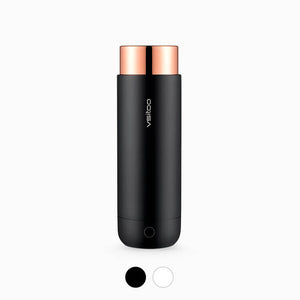
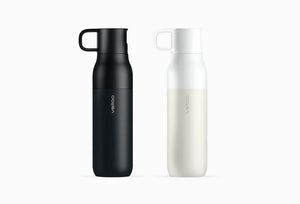
VSITOO builds that directly into its stainless steel coffee cups for travel: the VSITOO S5 heated travel mug is designed for hands-free use in the car, while the S5 Pro travel mug steps up to a 25oz body for longer trips. Both hold drinks between 120°F and 150°F with auto-sensing AI, so the mug adjusts on its own instead of asking you to press anything at a red light.
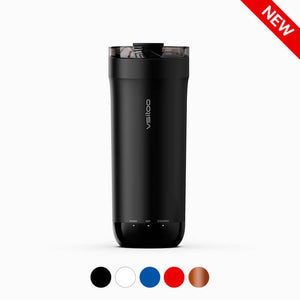
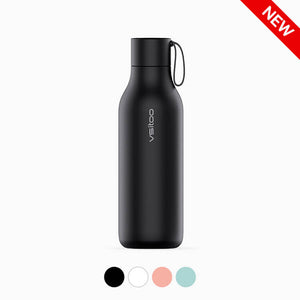
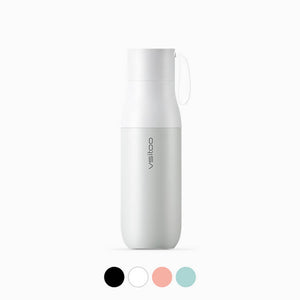
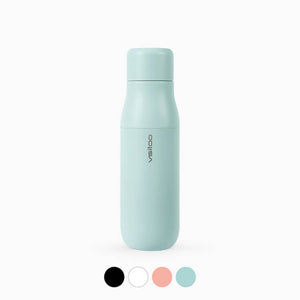
For something narrower that fits a bicycle bottle cage or a small bag, the VSITOO H1 heated travel bottle brings the same temperature control to a 14oz frame.
Recommended VSITOO Picks
- VSITOO S5 Heated Travel Mug — the everyday commute option, built for cup holders and car chargers.
- VSITOO S5 Pro Heated Travel Mug (25oz) — more capacity for long drives and full mornings.
- VSITOO H1 Heated Travel Bottle (14oz) — slim enough for a bag, with the same 120–150°F control.
The Bottom Line
Buy for the job the cup actually has. If you are carrying iced coffee, an insulated stainless cup will do it beautifully. If you are carrying coffee you intend to drink over the next two hours, look for a cup that can add heat rather than merely slow its escape — that is the difference between a drink that is still hot and one that merely started that way.
Find similar articles:
commute iced coffee travel cup insulated tumbler stainless steel cup travel mug