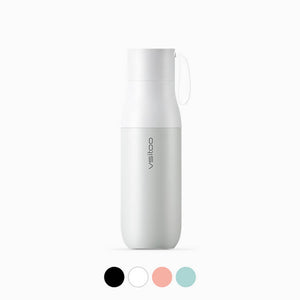
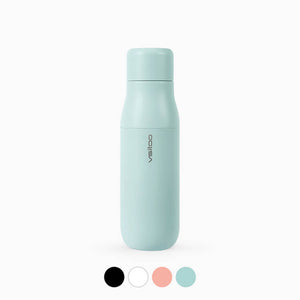
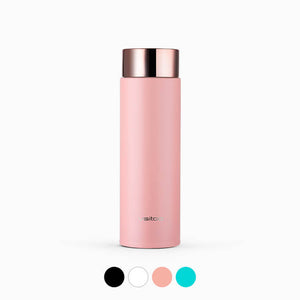
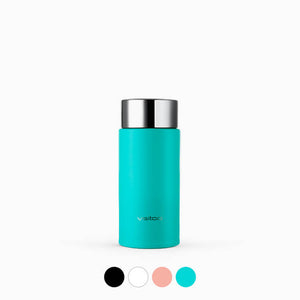
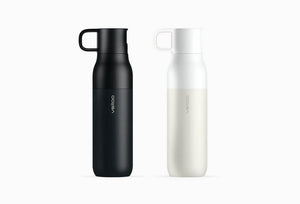


A ceramic mug's life ends the moment it meets a tiled floor. That is why the search for an unbreakable coffee mug is usually born out of a specific accident — a knocked elbow, a dropped bag, a child who wanted to help.
But "unbreakable" is a word marketers stretch. Here is what actually survives real life, what it costs you in other ways, and when the trade-off is worth it.
What "Unbreakable" Really Means
No mug is literally indestructible. What people mean by unbreakable is: it does not shatter. Ceramic and porcelain fail by cracking; metal fails, if at all, by denting.
That difference matters. A dented stainless mug still holds coffee. A cracked ceramic mug goes in the bin, and often takes a chip out of the floor on the way.
Why Stainless Steel Survives
Stainless steel is ductile: under impact it deforms rather than fracturing. A double-wall steel mug will survive a drop from desk height, a tumble out of a backpack, and the general abuse of being carried around.
The same construction brings a second benefit: insulation. The vacuum gap that keeps your hand comfortable also slows heat loss, which is why coffee tumbler cups in steel stay warm far longer than a ceramic mug does.
Ceramic has one genuine advantage — it does not affect flavour, and many people prefer the feel. A 24 oz coffee mug ceramic can be lovely at a desk you never move away from. It is simply the wrong object for a bag.
Where an Unbreakable Mug Earns Its Place
- Shared kitchens and office desks. A coffee mug for office use gets knocked, moved and borrowed. Steel survives all three.
- Workshops and job sites. Where a ceramic mug is a liability, steel is simply equipment.
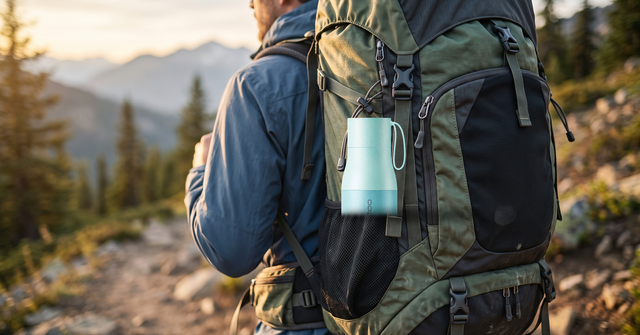
- Travel and commuting. A mug that lives in a bag needs to tolerate the bag.
If your coffee mug work routine involves carrying the mug between rooms, floors or buildings, durability stops being a nice-to-have and becomes the main requirement.
The Trade-Offs Nobody Mentions
Steel is not free of downsides:
- Weight. A double-wall steel mug is heavier than ceramic of the same volume.
- Heat transfer to the rim. Cheap single-wall steel gets hot to drink from; double-wall construction fixes this.
- It cannot go in the microwave. Neither can most insulated mugs, but it is worth saying plainly.
And durability does not solve temperature. A dropped cup that survives the fall will still let your coffee go cold, because insulation only slows cooling — it does not reverse it.
When Durability Is Not the Whole Answer
This is where a portable coffee mug warmer and a heated mug get confused. A portable cup warmer is something you set a mug on; it heats from below, needs power, and stays where you put it.
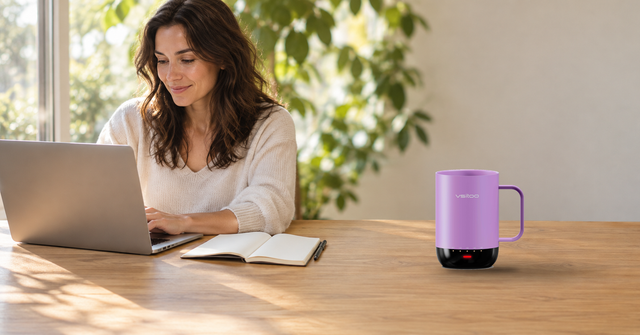
A heated mug puts the element inside the cup and holds a set temperature. For anyone who wants the best self heating coffee mug experience, that distinction is the whole purchase decision.
Where VSITOO Fits
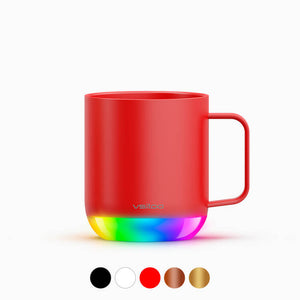
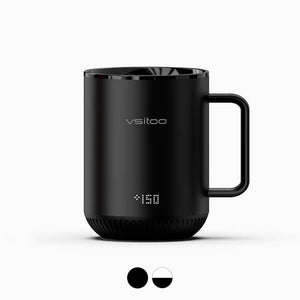
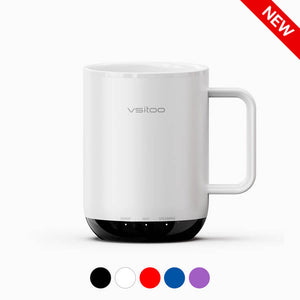
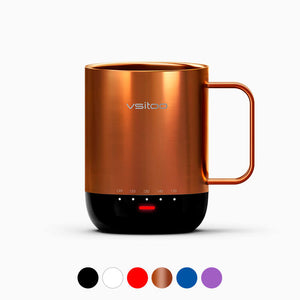
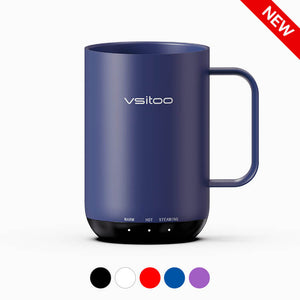
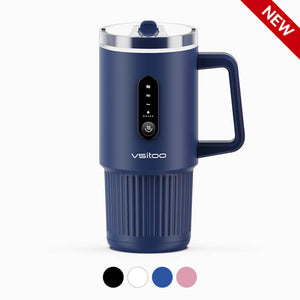
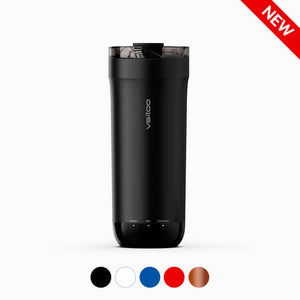
VSITOO builds double-wall stainless mugs with the heating built in. The VSITOO S3 Pro self-heating coffee mug comes in 14oz or 16oz with a handle and a lid, holding drinks between 120°F and 150°F on auto-sensing AI. The S3 Plus heated coffee mug offers the same band at 14oz for less, and the S6 Plus RGB smart coffee mug brings it to a compact 12oz body.
They will survive the drop that ends a ceramic mug — and then keep the coffee hot, which is the part a plain steel cup cannot do.
Recommended VSITOO Picks
- VSITOO S3 Pro Self-Heated Coffee Mug (14oz / 16oz) — steel body, handle, lid, and a full temperature range.
- VSITOO S3 Plus Self-Heated Coffee Mug (14oz) — the same idea at a lower price.
- VSITOO S6 Plus RGB Self-Heated Coffee Mug (12oz) — compact, for smaller desks and bags.
The Bottom Line
Buy an unbreakable mug if the alternative is replacing ceramic every few months. Buy one with temperature control if you also want the last sip to taste like the first. The material solves the drop; only the electronics solve the cooling.
Find similar articles:
durability heated coffee mug smart mug stainless steel mug unbreakable coffee mug