

Drinking water from plastic bottles is so ordinary that most of us never think about it — at the gym, in the car, at a desk where refilling a glass is inconvenient. The bottle feels neutral: clear, sealed, tasteless. It isn't. Temperature, time, sunlight and the number of refills all change what ends up in the water, and that is usually the moment people start looking at a reusable bottle instead.
Why Plastic Bottles Start to Taste Wrong
Water has no flavor of its own, but it picks one up fast. Plastic is slightly permeable, so the water inside can absorb odors from whatever sits next to it in a bag or a fridge. Add heat — a bottle left in a car, on a sunny windowsill, beside a laptop vent — and the drink warms and develops the flat, faintly sweet aftertaste most people call "bottle taste." That taste is not imaginary, and it is the most common reason people stop enjoying water they used to drink without thinking.
Can You Reuse Water Bottles? Yes — With Rules
Reusing a bottle beats buying a new one every day, but the bottle you reuse matters. A single-use bottle has a narrow neck and thin walls, which makes it hard to clean properly, and moisture left inside a warm car becomes a place where bacteria multiply. If you cannot reach the bottom with a brush and hot soapy water, you cannot really clean it.
Three habits keep a refill bottle safe: wash it daily with hot water and dish soap, dry it upside down with the lid off, and replace it as soon as it smells musty or the interior feels slimy. A bottle that is easy to open, scrub and dry gets cleaned far more often than one that isn't.
The Plastic Water Bottle Danger Most People Miss
The real risk is not the bottle but the pattern around it: the same bottle sitting in a hot car for a week, refilled without washing, drunk from directly, then sealed overnight. Warmth plus moisture plus coffee or juice residue is what turns a convenient bottle into a smelly one. If a bottle has held anything other than water, clean it the same day.
How to Recycle Water Bottles — and What Recycling Doesn't Fix
Recycling keeps material in circulation, but it doesn't change the fact that a single-use bottle is designed for one fill, and it assumes the bottle actually reaches a facility. Bottles left in cars, gym bags and desk drawers usually don't. If the goal is fewer bottles bought: refill from a source you trust, keep the container clean, and only then think about filtration.
What a Filtering Bottle Actually Changes
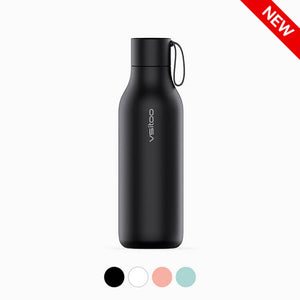
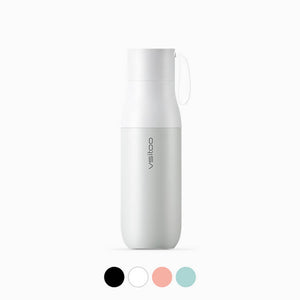
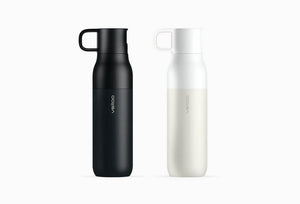
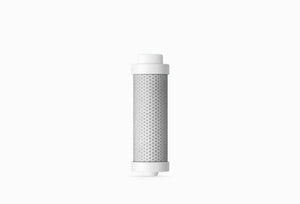
If you refill from a tap, the usual complaints are chlorine, sediment and a metallic edge — exactly what a filter targets. The VSITOO S2 Filtered Water Bottle holds 25 oz and runs a five-stage filtration system with a 0.01 μm ultrafiltration membrane. Per the product specification, it reduces over 99.99% of common contaminants such as chlorine, sediment, heavy metals and bacteria.
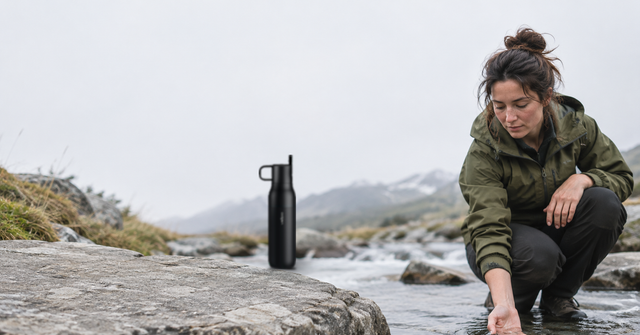
Two honest limits. A filter bottle is not a purifier: if a source is microbiologically unsafe — a stream, or a tap under a boil-water notice — filtration alone is not a treatment plan. And every filter has a lifespan; once it clogs, flow slows and performance drops, so replacement filters are part of the running cost, not an optional extra.
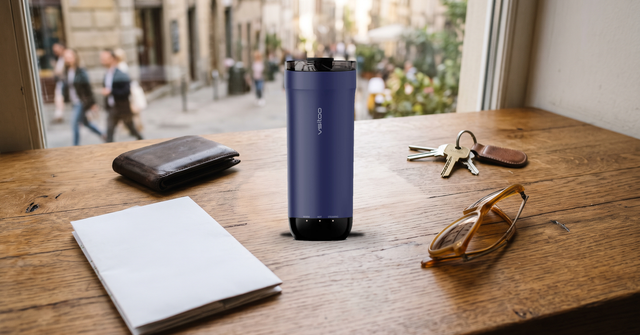
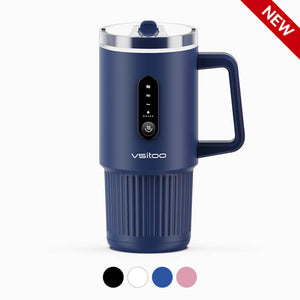
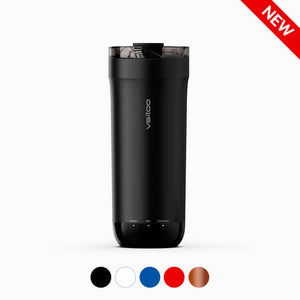
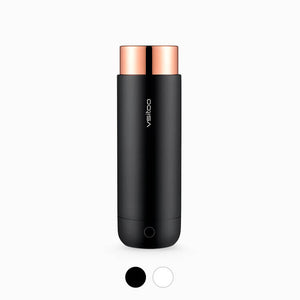
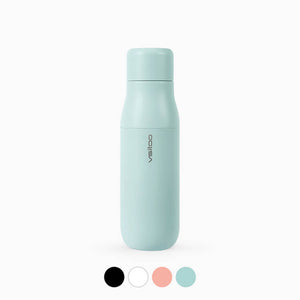
Self-cleaning bottles solve a different problem. The VSITOO S1 Pro Self-Cleaning UV Water Bottle (15 oz) runs a UV cycle to keep the interior clean between washes — useful when you refill on the move and don't always have a sink nearby. For longer days out, the S1 Max carries 33 oz in the same insulated stainless format.
Stainless Steel vs Glass Water Bottle
Glass is taste-neutral and see-through, but heavy and breakable. Stainless steel is lighter, survives a drop and holds temperature far longer, which is why most insulated bottles are steel. Both beat a thin single-use bottle for daily refills. If the bottle lives in a bag, a cup holder or a trail pack, steel wins on practicality.
A Five-Minute Checklist Before You Buy
- Capacity that matches your day: 15 oz for a commute, 25–33 oz for a workout or a long shift.
- A lid you can open one-handed — a bottle you avoid opening is a bottle you stop using.
- Cleaning access: wide opening, no dead-end corners, removable parts.
- Filter cost: check replacement prices before you buy, not after.
A warm, unwashed bottle refilled for weeks is a poor habit, and the fix is cheap. Switch to a container you can actually clean, and the water starts tasting like water again.
Recommended VSITOO picks
- VSITOO S2 Filtered Water Bottle - 25oz — five-stage filtration for tap refills.
- VSITOO S1 Pro Self-Cleaning Water Bottle - 15oz — UV self-cleaning for daily commutes.
- VSITOO S1 Max Self-Cleaning Water Bottle - 33oz — the same format with a full-day capacity.