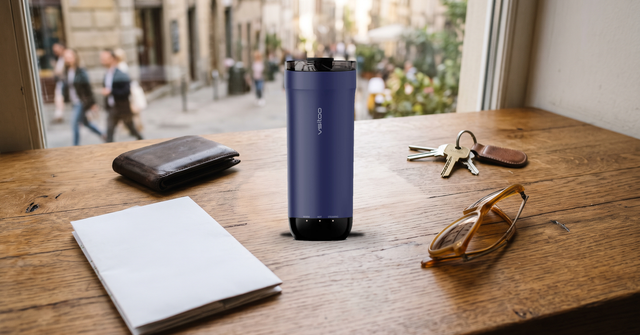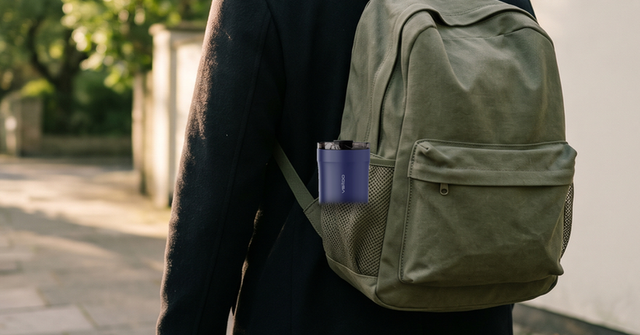
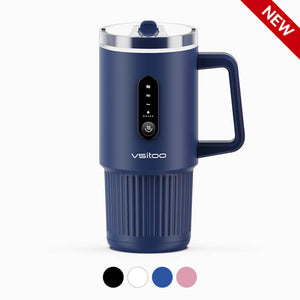
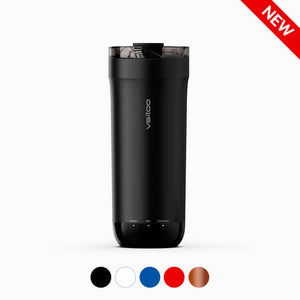
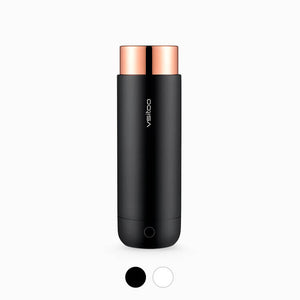
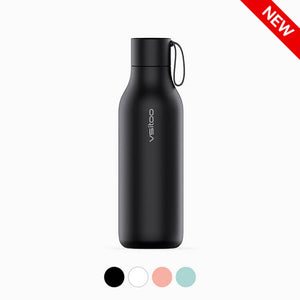
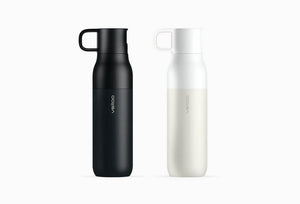


A UV purification bottle promises clean water without scrubbing. The label usually shows a glowing ring, a 60-second cycle and a bottle that "cleans itself." Most of that is real. The part people get wrong is what the light actually cleans: usually the bottle, not the water.
Here is how UV light works inside a bottle, where it stops, and how to pick one that fits the way you actually drink.
What a UV Purification Bottle Really Treats
UV-C light in the 250–280 nm range damages the DNA of bacteria, viruses and other microbes so they cannot reproduce. Inside a bottle, the LED sits in the cap and shines down through the water and onto the inner walls. That is a genuinely useful job, because the dirtiest part of any bottle is the part you cannot reach with a brush: the seam at the base, the gasket, the threads under the lid.
This is why the honest framing of a self cleaning water bottle is bottle hygiene, not water treatment. A quick rinse leaves a film of bacteria growing in the warm, wet space under the cap; a UV cycle interrupts that between washes, which matters most on hot days, in gym bags and in cars.
Where UV Light Bottles Stop Working
UV needs clear water to work. Sediment, cloudiness and the shadow behind a thick wall all reduce the dose that reaches a microbe, and no bottle can fix water that arrives dirty. UV does not remove lead, chlorine, sediment, PFAS or the taste of old pipes. If the water source is the problem, you need filtration. If the bottle is the problem, UV is the right tool.
That split is the most useful thing to know before buying a uv light water bottle. Two products that both show a blue glow can solve completely different problems, and only one of them helps at a campsite with silty stream water.
Self-Cleaning Is Not Self-Drying
Moisture is the other half of the equation. A cycle only treats what the light reaches, so a bottle sealed while still wet gives microbes a fresh start the moment the light goes off. Cap open, upside down, air moving: that routine does as much for you as an extra cycle.
Treat a uv bottle sanitizer as a maintenance tool, not a replacement for washing. Even the best cycle in a uv sterilizer bottle cap cannot dissolve residue from juice, coffee or a sports drink. Wash first, then run the light.
Pick the Size You Will Actually Carry
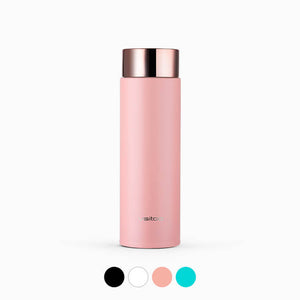
Capacity decides whether a bottle stays with you. A 15 oz bottle fits a tote, a cup holder and a gym side pocket, and it is the size most people reach for daily. A 33 oz bottle covers a long hike or a full workday at a desk, at the cost of weight. An 8.5 oz mini fits a small bag or a kid's backpack and still runs the same cleaning cycle.
Insulated stainless steel keeps condensation off your notebook and keeps cold water cold for hours, which is why it is the default shell for this category. BPA-free lids and gaskets matter too: the parts you touch most hold moisture longest.
What to Check Before You Buy
- Cycle length and trigger. Does it run automatically when you close the lid, or do you press a button? Automatic cycles get used; manual ones get forgotten.
- Coverage. Ask whether the light reaches the base and the lid gasket, not just the water column.
- Charging. USB-C or a magnetic cable, and how many cycles you get per charge. A dead light is just a bottle.
- Wall and weight. Double-wall insulation versus a light single wall is a real trade-off on a long carry.
- Washable parts. Electronics in the cap mean the cap stays out of the dishwasher.
Those five questions separate a best uv water bottle pick from a gadget that ends up in a drawer.
When a Filter Is the Better Tool
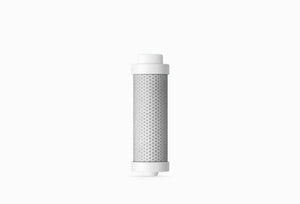
If you refill from taps you do not trust, hotel bathrooms, gym fountains or trail water, filtration does the work UV cannot. The VSITOO S2 filtered water bottle runs a five-stage system with a 0.01 μm ultrafiltration membrane that reduces over 99.99% of common contaminants including chlorine, sediment, heavy metals and bacteria. UV keeps the bottle clean; filtration cleans the water. Serious outdoor setups usually want both.
Recommended VSITOO Picks
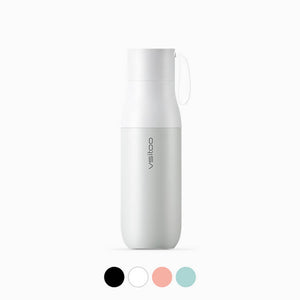
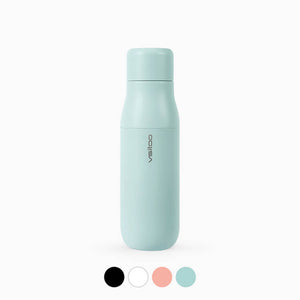
- VSITOO S1 Pro self-cleaning water bottle — 15 oz stainless steel with a UV-C cleaning cycle in the cap, the daily-carry size.
- VSITOO S1 Max self-cleaning bottle — 33 oz for long hikes and full workdays.
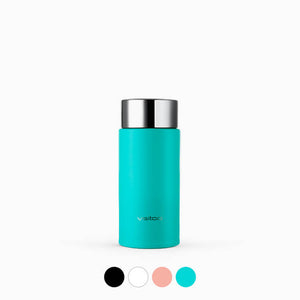
- VSITOO S1 Lite Mini UV bottle — 8.5 oz for small bags and kids.