

Most hiking water bottle with filter shopping happens in the wrong order. People pick a bottle that looks right, then find out on the second trip that the flow is so slow they stop drinking, or that the filter cannot be changed without buying a whole new bottle.
Filtering water on the trail is a solved problem. Choosing the bottle that makes it pleasant is not.
Start With the Pore Size, Not the Colour
Filter specs are usually written as a pore size. A 0.01 micron ultrafiltration membrane is tight enough to block bacteria and fine sediment while still letting water through at a usable rate. That number tells you more than any badge on the box.
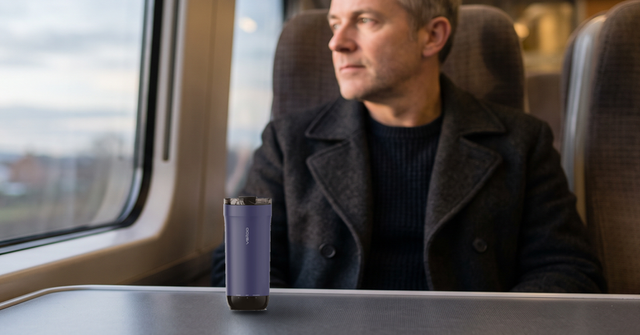
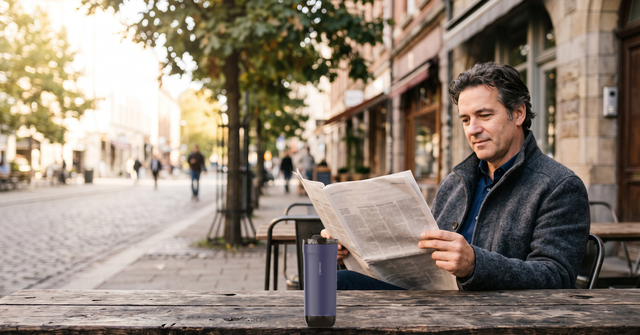
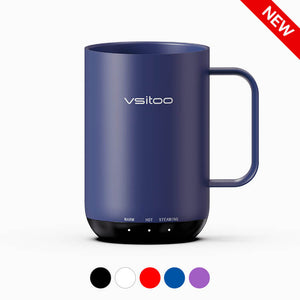
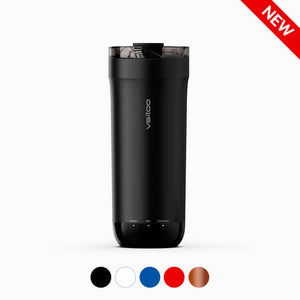
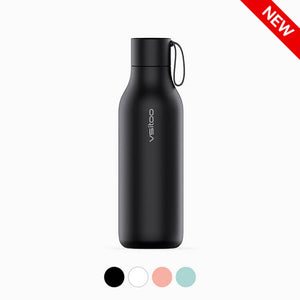
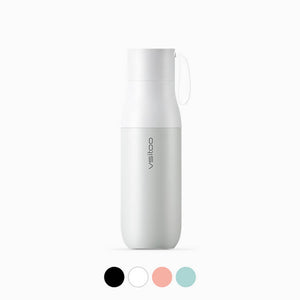
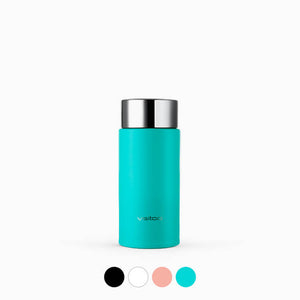
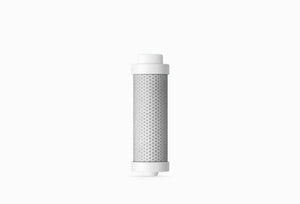
Multi-stage designs stack jobs: a pre-filter catches grit, a carbon stage handles chlorine and taste, the membrane does the fine work. VSITOO's S2 filtered water bottle runs a five-stage system around a 0.01μm ultrafiltration membrane, and the brand states it reduces over 99.99% of common contaminants such as chlorine, sediment, heavy metals and bacteria. It holds 25oz in insulated stainless steel, so the water is still cold at lunch.
Flow Rate Is the Spec Nobody Prints
A water bottle with filter for hiking is only worth carrying if you will drink from it often. Squeeze bottles push water through fast; straw filters are slower and make you work for every mouthful; pump filters are quickest but add weight and a chore at the end of the day.
Can you drink a full bottle in under a minute without thinking about it? If not, you will ration water on the climb and pay for it later.
Three Filter Types, Three Different Trips
- Ultrafiltration (hollow fibre). The default for streams and lakes. Light, no battery, effective against bacteria and sediment.
- Carbon. Fixes taste and chlorine. It makes tap, fountain or hut water drinkable, but it is not a pathogen barrier on its own.
- UV. Neutralises what it can reach, needs clear water and a charged battery, and does nothing about grit or taste.
If your plan is to filter bottled water or refill from taps rather than streams, the carbon stage matters more than the pathogen barrier. If you drink from whatever the trail offers, the membrane does the real work.
Weight, Capacity and Pack Fit
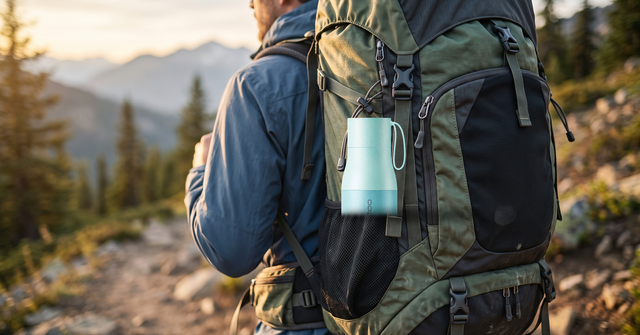
A portable filtered water bottle only earns its place if it fits a side pocket you can reach without taking the pack off. Stainless steel water bottles with filter units inside are heavier than plastic, but they do not hold the taste of yesterday's drink.
Around 25oz covers a half-day hike with refills; longer days need a bigger body or a reliable source on route. Check the diameter against your pack pocket before you fall for the silhouette.
Cleaning Decides Whether You Keep Using It
Every filter lives in water, and a bottle that is awkward to clean starts to taste like the last trip. Look for a wide opening, a housing you can remove by hand, and no narrow channels where old water sits.
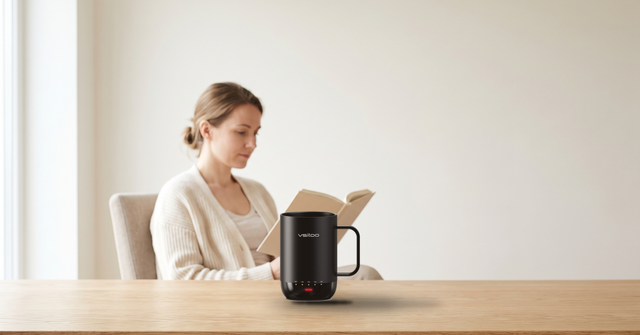
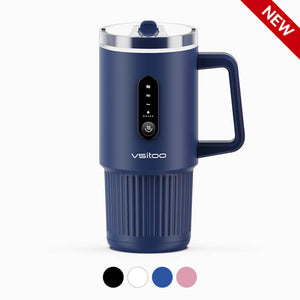
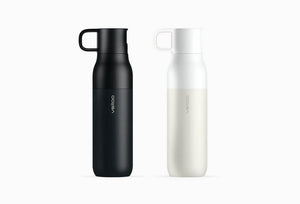
If cleaning is the step you know you will skip, a self-cleaning bottle removes that failure mode. The VSITOO S1 Pro self-cleaning water bottle runs an AI-driven cleaning cycle between fills in a 15oz body, and the S1 Max brings the same approach to a 33oz bottle. That is not a substitute for a backcountry filter, but it is a real answer for gym bags, offices and city refills.
What to Check Before You Buy
- Replacement filters. A water bottle with built in filter is only as good as the supply of cartridges. Confirm they are sold separately.
- Thread and lid. The lid is where leaks start. A bottle that soaks your pack is worse than no filter.
- Drinking method. Straw, bite valve or wide mouth: pick the one you will use with cold hands.
One more point: water bottles that filter at the straw are lightest for short trips because they skip the pump and tubing. They are also the slowest to drink from, which is the trade most buyers underestimate.
Recommended VSITOO Picks
- VSITOO S2 Filtered Water Bottle (25oz) — five-stage filtration with a 0.01μm membrane in insulated stainless steel.
- VSITOO S1 Pro Self-Cleaning Water Bottle (15oz) — AI self-cleaning for gym bags and desk days.
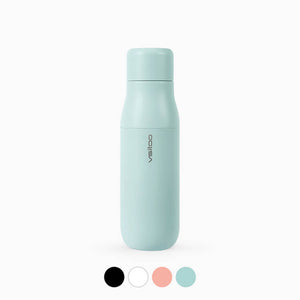
- VSITOO S1 Max Self-Cleaning Water Bottle (33oz) — the same cleaning cycle in a bigger body.
The Bottom Line
Buy the filter that matches your water source, then the bottle that makes you drink from it. Pore size, flow rate and a replaceable cartridge decide the first part. Weight, pocket fit and cleaning decide the second — and only one of those shows up in a product photo.