

Why Reusable Filtered Water Bottles Beat the Fridge Pitcher
You know the taste. Tap water that smells faintly of chlorine, a plastic bottle refilled one time too many, and a fridge pitcher that is somehow never full when you need it. Reusable filtered water bottles solve the awkward part of hydration: they filter as you drink, so the water tastes clean wherever you fill up — the gym tap, the office cooler, a stream on the trail.
But "filtered" is doing a lot of work on a product page. Two bottles can look identical and perform nothing alike. What separates a good one from a bottle you stop carrying after a month?
What "Filtered" Really Means
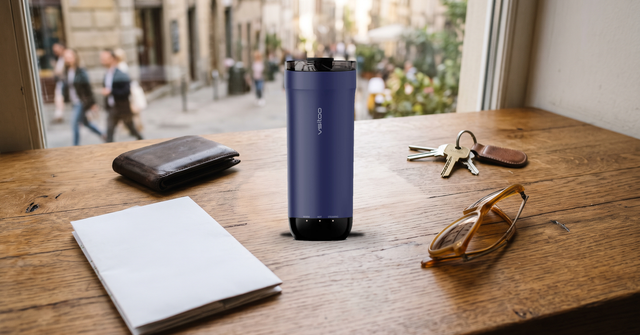
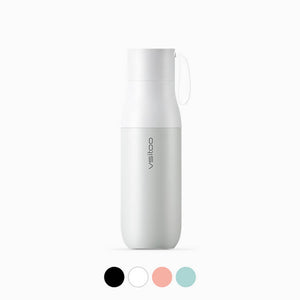
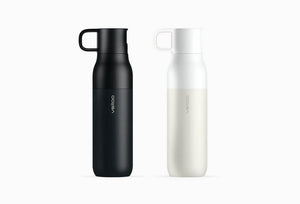
Not every bottle that advertises a filter removes the same things. Thin carbon pads mostly improve taste. Better designs stack stages: activated carbon for chlorine and odor, then a fine membrane for particles and microbes. The VSITOO 25oz filtered water bottle runs water through a five-stage path that ends in a 0.01μm ultrafiltration membrane, and the specification states it reduces over 99.99% of common contaminants such as chlorine, sediment, heavy metals and bacteria.
Ask two questions before you buy: what does the filter remove, and how often does it need replacing? If a listing cannot answer both, keep looking.
Filter Type: Carbon, Membrane, or Both
Most bottled water filters sold today fall into three groups. Carbon-only handles taste and chlorine but not microbes. Hollow-fiber and ultrafiltration media stop particles and bacteria but do less for chemicals. Multi-stage cartridges cover both.
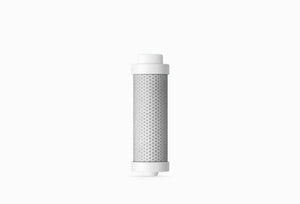
A reusable water bottle with filter media you can actually swap is the practical middle ground: you keep the shell and replace the cartridge. When you compare reusable water bottles with filter cartridges, price the replacement first — the cartridge, not the bottle, is what you buy again.
Materials and Stainless Water Bottle Safety
Stainless steel is the default for good reason. It does not hold odors and it will not crack when it lands on a rock. The stainless steel water bottle safety questions worth asking are about what touches your water: the liner, the lid, and any plastic in the flow path. Food-grade stainless steel plus a BPA-free lid covers the basics. Unlined aluminum and unnamed coatings do not.
Capacity, Weight and Where It Fits
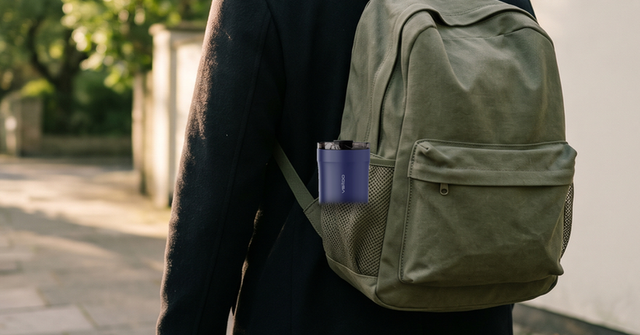
Capacity decides whether the bottle earns a place in your bag. A 25oz bottle covers a gym session and most commutes without a refill; 15oz suits a desk or a short walk. A great filter in a bottle you leave at home is just an expensive shelf ornament.
Where Bacteria in Water Bottles Actually Comes From
Bacteria in water bottles rarely arrive with the water. They grow in the bottle: warm, damp, a little sugary residue, and a lid gasket nobody scrubs. Rinse daily, wash the lid and mouthpiece weekly, and dry the bottle upside down with the cap off.
Filters are consumables, not fixtures. A clogged cartridge slows the flow and stops doing its job long before the water tastes off, so put replacement on a calendar instead of waiting for a hint.
Daily Use: Gym, Desk and Travel
A water bottle for gym days has to survive a gym bag and not leak onto your clothes. On a desk, a filter bottle quietly replaces the walk to the cooler. On the road, it turns a motel bathroom tap into something you actually want to drink.
The familiar question — how many bottles of water should i drink a day — has no single answer, but a common starting point is roughly eight 8-ounce cups, adjusted upward for heat, altitude and training load. A 25oz bottle holds about two of those cups, so three refills covers most of a day.
A Quick Buying Checklist
- Filter media named, with a stated pore size or removal claim
- Replacement cartridges in stock and reasonably priced
- Food-grade stainless steel body and a BPA-free lid
- Capacity that matches your day — 15 to 25oz covers most people
- Leak-proof lid and a mouth wide enough to clean properly
- Fits your cup holder or bag pocket
Recommended VSITOO Picks
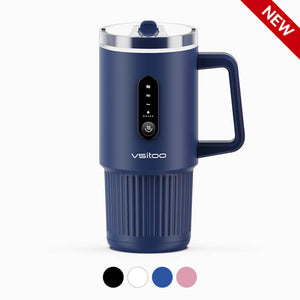
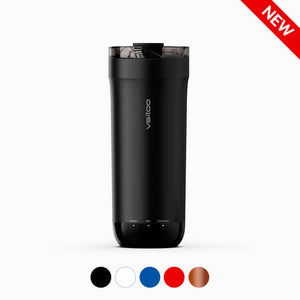
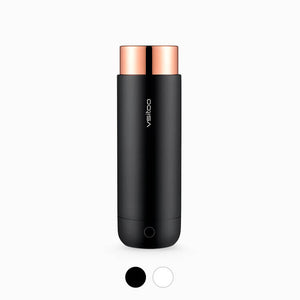
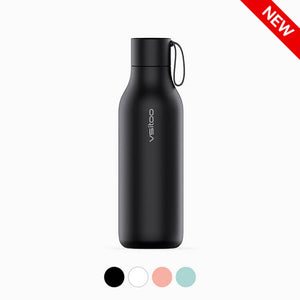
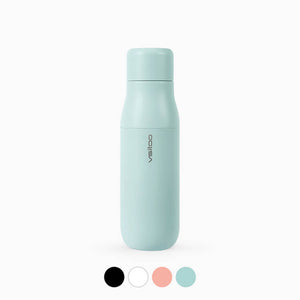
If you want filtration and insulation in one bottle, the S2 Filtered Water Bottle is the direct answer: 25oz, five-stage filtration, and a replaceable cartridge. If your priority is a bottle that cleans itself between refills, look at the S1 Pro Self-Cleaning Water Bottle at 15oz, the S1 Self-Cleaning UV Water Bottle, or the larger S1 Max at 33oz.
Whatever you pick, the rule is the same: match the filter to the water you actually drink, keep the bottle clean, and replace the cartridge on schedule. Do that, and reusable filtered water bottles stop being a gadget and start being the thing you reach for every morning.