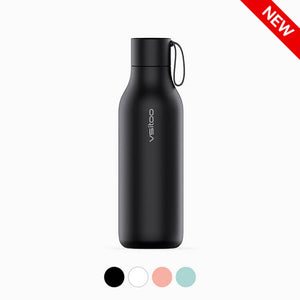
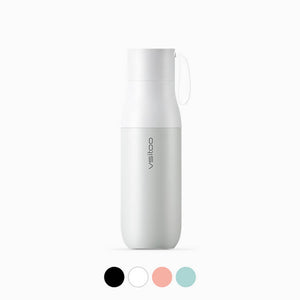
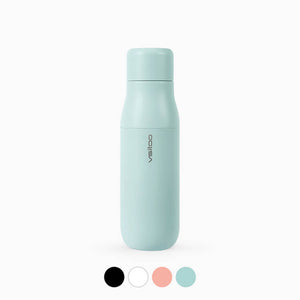
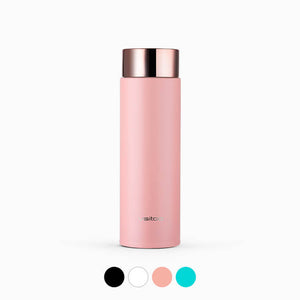


Search tumbler coffee mugs and you get a wall of tapered cups in every finish. The shape is easy to recognise; what it does for your coffee is not, because a tumbler is a body style, not a heating technology.
A Tumbler Is a Shape, Not a Feature
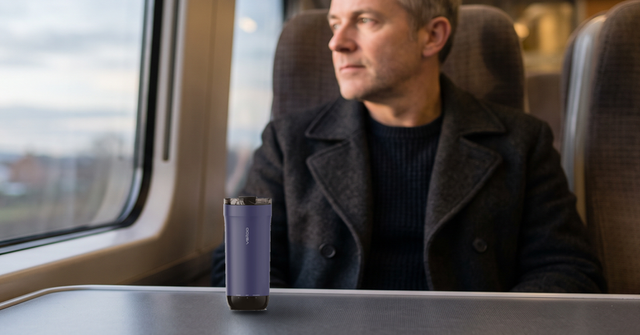
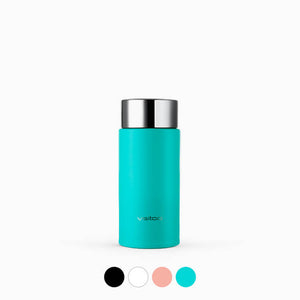
Tumblers share four traits: a tall tapered body, walls that flare at the top, no handle, and a lid. The taper lets the base sit in a car cup holder and lets your hand wrap the body. Capacity usually runs 16 to 24 ounces.
None of that describes insulation. A tumbler can be single-wall plastic, double-wall stainless, or vacuum sealed, and that gap is the gap between coffee that still has heat after a meeting and coffee that is cold before you park.
Where the Shape Wins
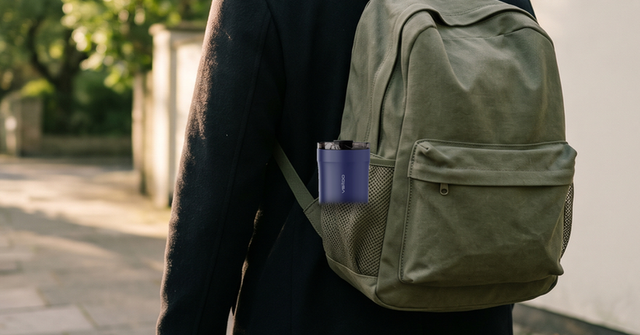
Two places: a car and a walk. A tapered base drops into a cup holder without wobbling, and no handle frees one hand for a bag or a wheel.
The lid is the second win, but it is a spill barrier, not a seal. A screw lid with a silicone gasket survives a bag; a slide lid does not.
Where It Loses
No handle is a real cost at a desk. A hot body forces you to hold the cup by the rim or wait, and that is the moment people reach for a coffee cup hand warmer rather than a drink. The thin wall that lets heat reach your palm is the wall that lets heat leave the coffee.
Narrow mouths are the second cost. They splash less, but a sponge will not reach the corners where coffee oils collect. If the page does not mention a bottle brush and a removable gasket, assume you will be cleaning blind.
Passive insulation is the third. Vacuum walls slow heat loss; they cannot add heat back. A coffee mug insulated with lid buys you time on a good build, and that is the whole promise.
Coffee Mug Ounces: Read the Number Twice
Most kitchen mugs hold 8 to 12 ounces, one honest cup of coffee. A 16 oz coffee mug is two of those, and it is the size where a tumbler starts to replace a mug rather than supplement it. Twenty ounces and up is for people who make a full pot and expect it to last the morning.
The label measures fill volume, not drink volume. Leave an inch of headspace before you fit a lid, and check whether the figure is to the brim or to the fill line. The answer to how many coffee mug ounces you need is what you actually drink before it goes cold, not what you wish you drank.
Insulation vs Active Heat
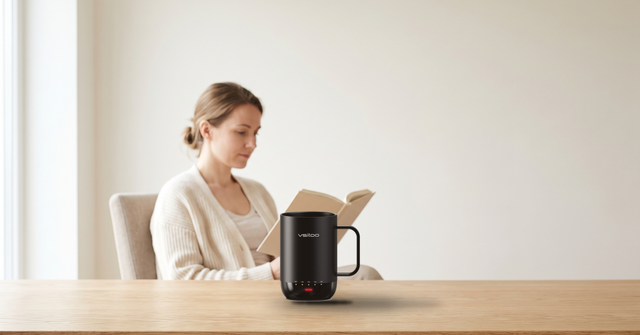
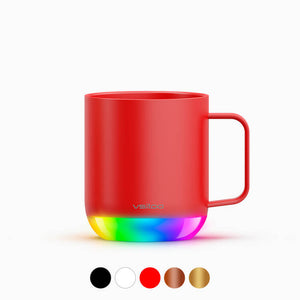
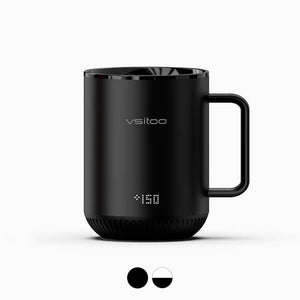
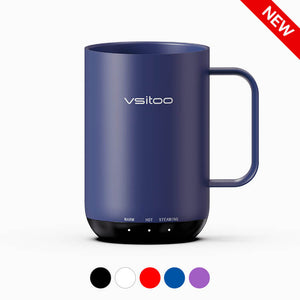
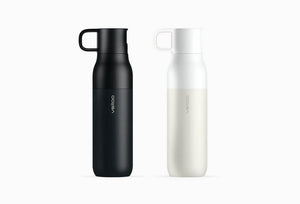
These solve different problems. A double-wall stainless coffee mug slows the cooling curve, which is right if your complaint is "it spills in the car" or "it is lukewarm by the time I arrive". Active heating is right if your complaint is "it is cold by ten and I still have half a cup". The VSITOO S3 Pro self-heated coffee mug holds a drink between 120°F and 150°F on its own, in 14 or 16 ounce sizes.
Neither design fixes a bad lid: if the gasket is thin, heat leaves through the seam and no wall thickness compensates.
Cleaning Details That Decide Longevity
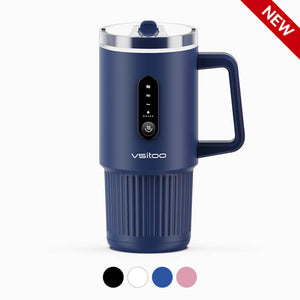
Coffee oils go rancid in the threads and under the gasket, and that smell is what people mistake for age. Pop the gasket out weekly, rinse the threads, and skip the dishwasher unless the page allows it. A wide, handled body such as the 14 oz S3 Plus cleans with a normal sponge; a tapered tumbler usually needs a brush.
Buying Checklist
- Wall type: vacuum sealed, or double wall at minimum.
- Gasket: silicone, removable, sold as a spare part.
- Base: measure your cup holder and your desk footprint.
- Capacity: match it to one sitting, not a whole day.
Common Questions
Do tumblers keep coffee hot all day?
No. A good vacuum tumbler holds heat for hours, not a working day, and every lid opening shortens that. For all-day heat, choose active heating.
Is a stainless steel tumbler better than ceramic?
For heat retention and travel, usually yes. Ceramic is heavier and chips, but it does not carry a metallic taste. For a large pour, a 20 oz body such as the S3 Ultra avoids a refill.
Recommended VSITOO Picks
- VSITOO S3 Pro Self-Heated Coffee Mug, 14 oz / 16 oz — tumbler volume with a handle and active heat.
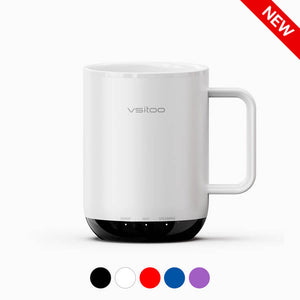
- VSITOO S3 Plus Self-Heated Coffee Mug, 14 oz — the same 120°F to 150°F range in a lighter body.
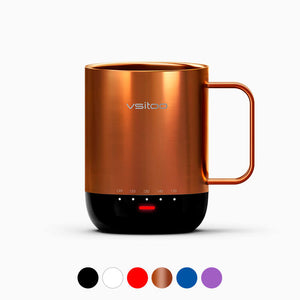
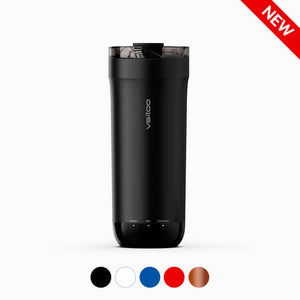
- VSITOO S3 Ultra Self-Heated Coffee Mug, 20 oz — 20 oz for a full pot and a long morning.
See the full range of heated travel mugs if you are comparing options before buying.